









Put Your Business in Your Customer’s Pocket
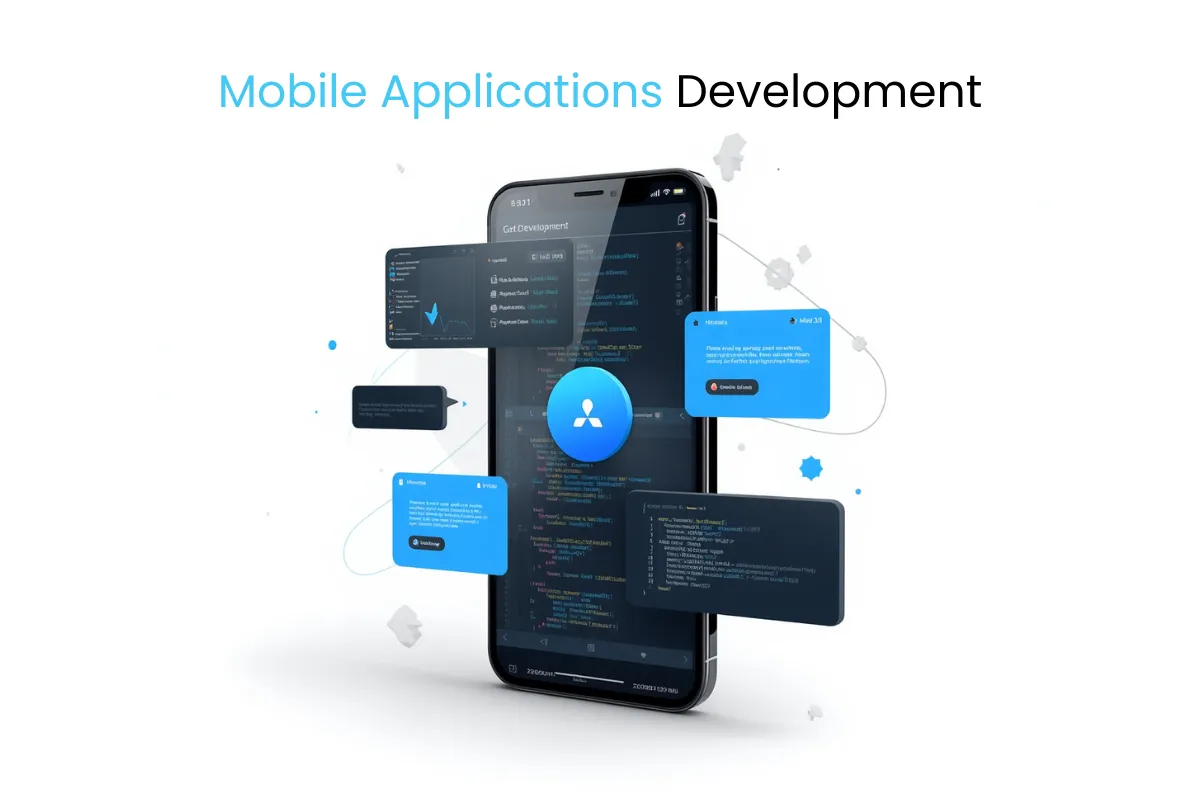
A mobile app gives your customers a faster, more direct way to use your service, place orders, book, track, learn, pay, or stay connected with your brand. Mobile application development covers the app strategy, UI/UX, iOS and Android development, backend setup, APIs, payment or booking features, testing, launch support, and ongoing improvements that make the app useful after download.
Why You Need Mobile Application Development
A good app removes friction from the actions your customers repeat most. Instead of making them search, log in through a browser, or wait for support, you give them a smoother experience they can return to in seconds. For businesses, that can mean stronger retention, easier repeat purchases, better customer data, and a direct channel for updates, offers, bookings, and engagement.

Frequently Asked Question
-
A mobile app makes sense when customers need to take repeated actions, like booking, ordering, tracking, paying, learning, or managing an account. If users only need to read information, compare services, or send a simple enquiry, a strong mobile website may be enough. AWS separates web apps, native apps, and hybrid apps by how users access them and what level of device-specific experience they need.
-
The right choice depends on what your app needs to do. Native apps are better for high performance, deeper device features, and platform-specific experiences, while cross-platform apps help you reach iOS and Android users with one shared codebase. Microsoft and CircleCI both frame this decision around audience, complexity, functionality, operating systems, and business priorities.
-
Your app should be built around the actions your users need most, not a long list of features. Before development starts, define the app’s purpose, target audience, user value, business goals, and the problem it solves. These questions show up repeatedly in app planning guides because they decide whether the app becomes useful or just another unused download.
