


Show Up When Buyers Are Already Looking
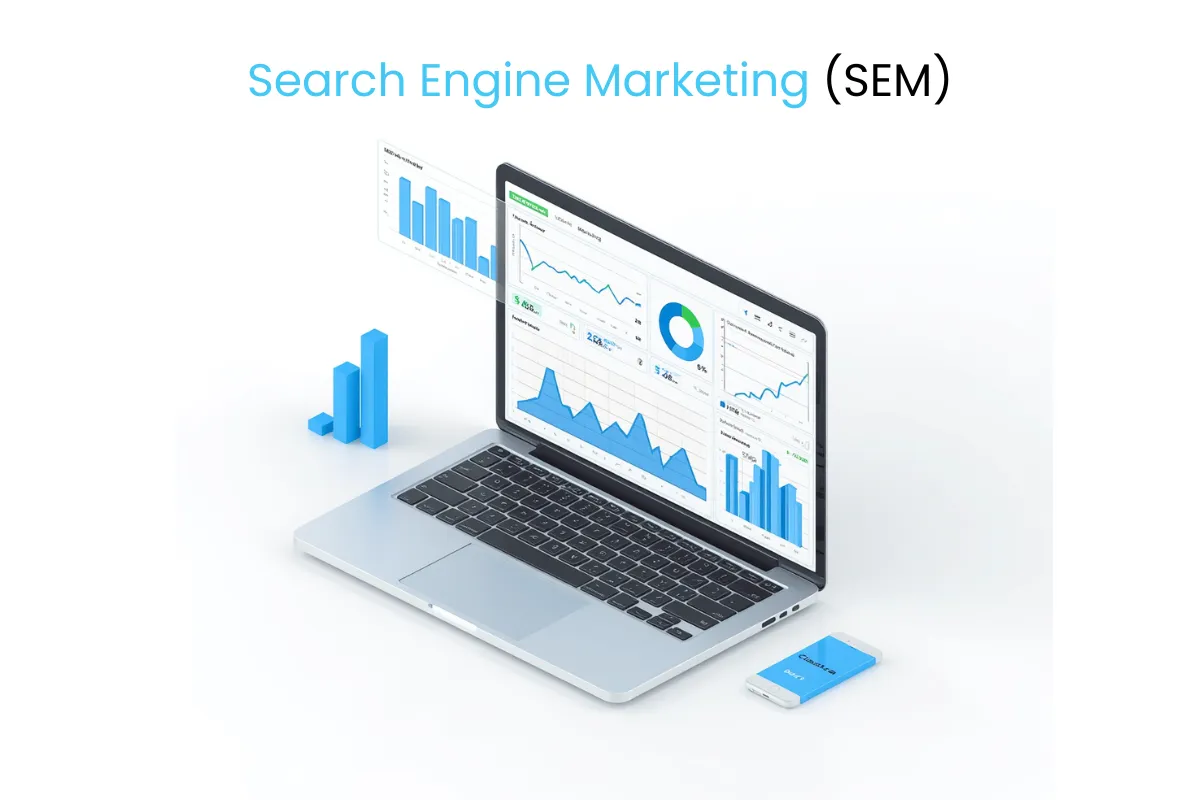
Search Engine Marketing puts your business in front of people who are actively searching for what you sell. Through paid search ads, keyword targeting, ad copy, landing pages, bidding, and conversion tracking, SEM helps your business appear at the top of search results when buyer intent is already high.
Why You Need Search Engine Marketing
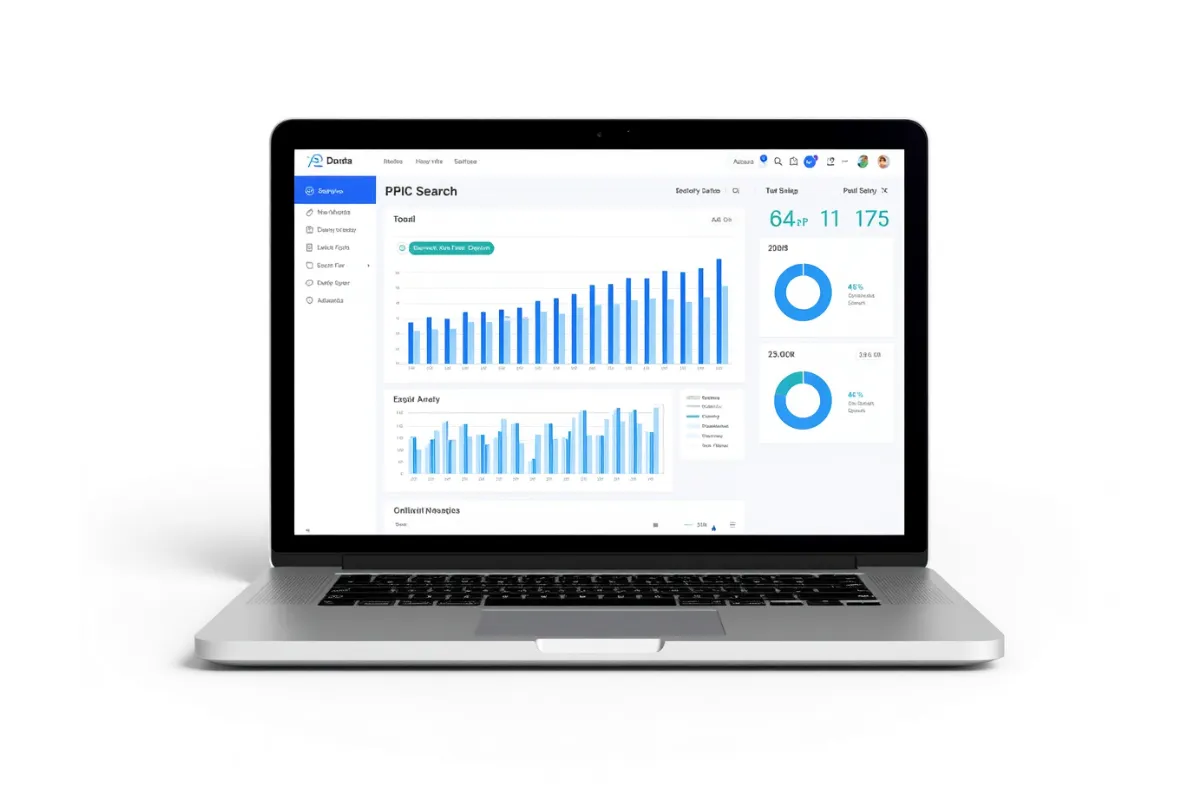
If your buyers are searching and only your competitors are showing up, you are losing demand that already exists. SEM helps you capture high-intent traffic faster, test which offers convert, control where your budget goes, and track which searches turn into enquiries, calls, bookings, or sales.

Frequently Asked Question
-
No. SEM usually refers to paid visibility on search engines, while SEO focuses on earning organic rankings. PPC is the payment model where you pay for clicks, and it is one of the most common parts of SEM.
-
SEM works by showing ads to people based on the keywords they search, the audience you want to reach, your bid, ad relevance, landing page experience, and campaign goal. The stronger the match between the search, the ad, and the landing page, the better your chance of getting qualified clicks that can turn into leads or sales.
-
SEM success should be measured by actions that matter to the business, not just clicks. Track conversions, calls, form submissions, purchases, cost per lead, ROAS, click-through rate, conversion rate, and landing page performance. SEM FAQ sources repeatedly mention conversion tracking, Google Analytics, call tracking, and measurable campaign goals as key parts of knowing whether paid search is working.
